
Monuments are not inert. Like removing a scab on an infected wound, the defacement or removal of monuments can cause a rupture – in this case, the trauma of colonial genocide, opened out. At dusk on Monday, June 15th, our friend, Scott Daniel Williams was shot three times by a civilian agitator at a protest calling for the removal of a conquistador monument. Williams is an artist, a curator, and an active organizer for racial and environmental justice. Here in Albuquerque, a scene whose heart beats in small artist-run spaces – most of which double as sites for experimental music, like Small Engine Gallery, The Tannex, Corpus Arts, Spirit Abuse, and Vitrine – there exists an understanding that art is at the center of any viable social movement.
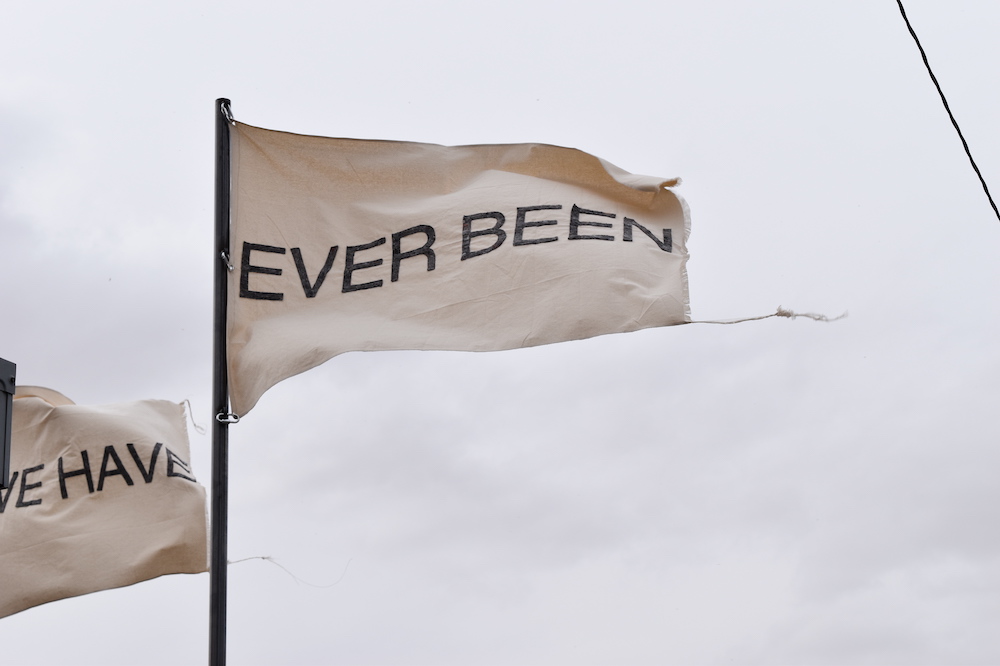
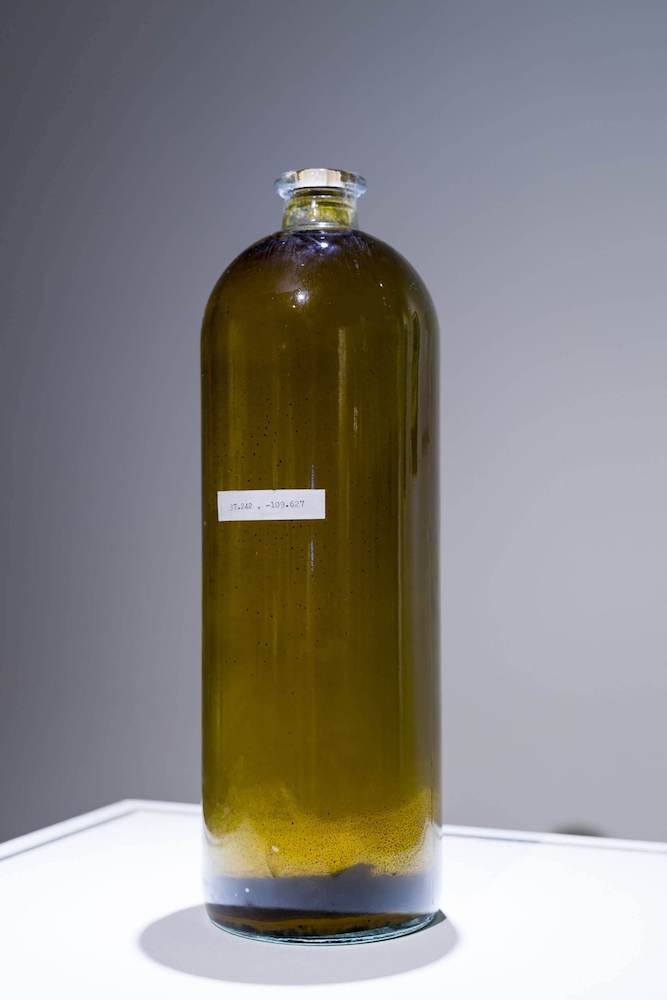
Early in his practice, Scott and his roommates ran a venue out of his home called Fort Bicycle. There, in the midst of sweaty bodies gathered in the euphoria of loud music, he helped form a community. This is also when he began making ambitious installations like Together Forever (2013), where he meticulously built a small rowboat from scratch, and rested it atop two beautifully-finished teak sawhorses, which sailed on a sea of felt emergency blankets. This precariousness of survival in the midst of the permanent emergency of colonial and capitalistic violence became the basis for other works like the aptly-named Disaster (2014), a constellation of a handmade book of the same name, a raven feather and a two-stroke engine suspended inside a utopian dome. Perhaps most poignant was the series of public flags, From Pink to Blood Red (2016) collectively spelling out a poem he had written: “This valley is filling with the blood of ghosts and we are as close to drowning in blankets as we have ever been.” The flags, made of canvas appliqué-d with letters from those same wool emergency blankets, slowly disintegrate in the desert wind.
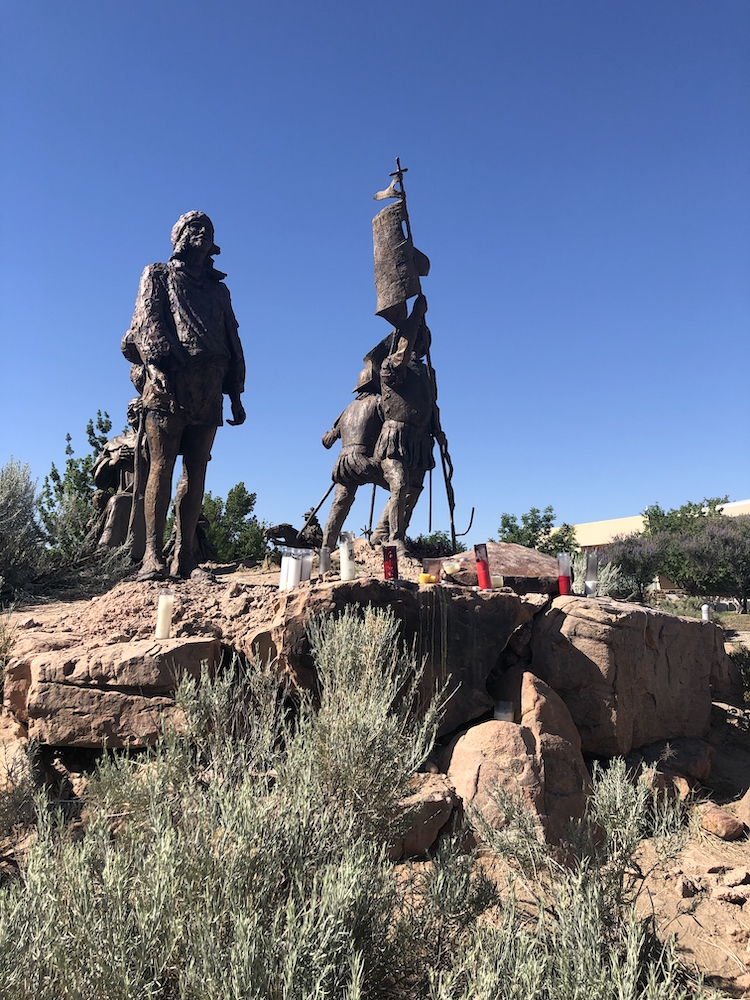
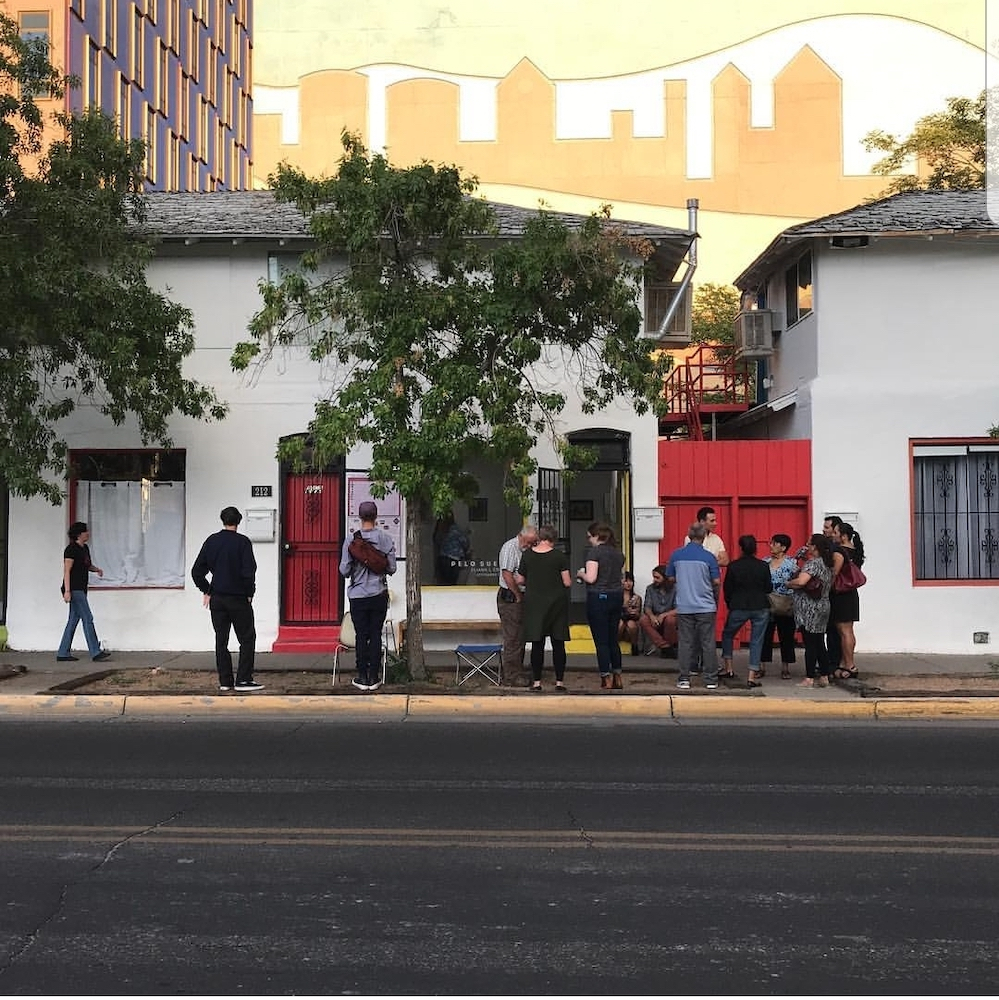
Over the last few years, Scott’s practice changed to one less concerned with making his own work and more concerned with making space for others. He cofounded Small Engine Gallery, and more recently, Vitrine, a space that was chosen by Scott and long-time collaborator Jaime Tillotson for its deliberately diminutive size, which supported the work of Indigenous, Black, LGBTQ2SIA+, and artists of color. It was in this spirit of allyship and helping others in the fight for racial and social justice that saw Scott spend weeks at Standing Rock assisting Indigenous activists and placing himself, as a white man, on the frontlines of Black Lives Matter protests in Albuquerque. There he helped organize the call, along with others, for the removal of the Juan de Oñate conquistador monument in Albuquerque, New Mexico.
Scott was adamant that he take the risk to put himself between those more susceptible to police and militia violence. We were not surprised when he pursued Steven Ray Baca – who was there to “defend” the monument – after Baca had assaulted three women, sprayed the crowd with mace, and openly flashed his gun. Scott’s parents, who along with other protestors were treated violently by police that evening, put it best when they said: “If we’re going to survive, treated as human beings and live in an equitable society, we can’t be brutalized by the people who are sworn to protect and serve us.”
The felling of the Oñate monument, begun by protestors and finished by city officials, implies that we can’t be bound by historical ignorance. Monuments to Indigenous genocide are monuments to oppression. When they remain uncontested, how do we define freedom and how do we work towards justice? Some of the first words Scott said after waking up from his surgeries were used to inquire as to the health and well-being of his friends and allies, understanding that this movement requires the continued work of all of us.
- Candice Hopkins and Raven Chacon



Thank you for this article revealing some of Scott’s contributions.